Stepping into a cozy room where a crackling hearth serves as the focal point is a quintessential winter experience for many homeowners. However, while the aesthetic charm of a traditional wood fireplace is undeniable, these fixtures are not designed to last forever without significant maintenance or eventual replacement. As technology advances and safety standards become more rigorous, keeping an outdated heating system can lead to serious risks, including poor air quality and fire hazards. Recognizing the subtle indicators of deterioration is essential for maintaining a safe, warm, and environmentally conscious home environment during the coldest months of the year.
1. Identifying Structural Cracks And Damage
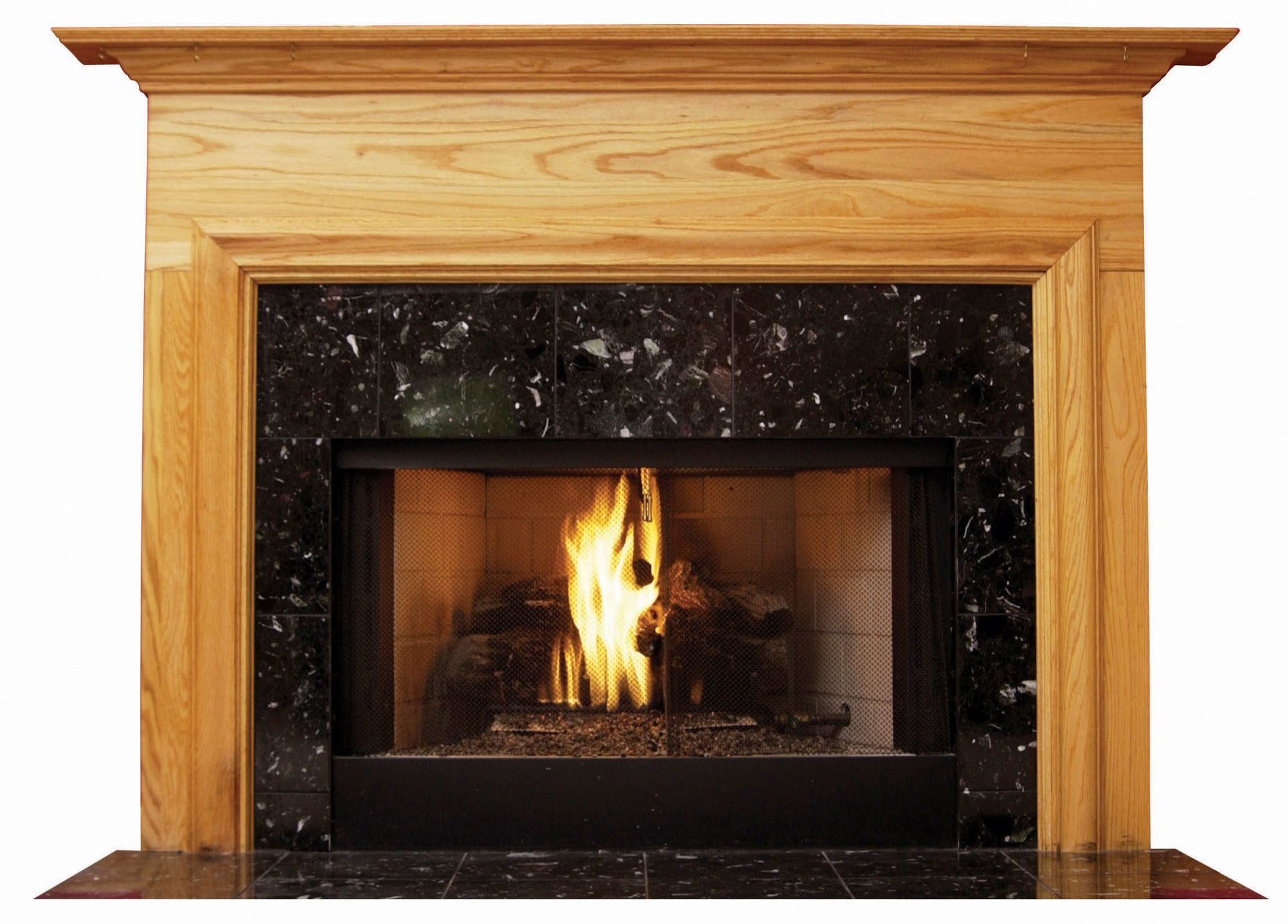
Examining the interior masonry of your hearth is the first step in determining if your heating unit has reached the end of its functional life. Over time, the intense heat cycles cause the firebrick and mortar to expand and contract, eventually leading to deep fissures that can compromise the entire structure. If you notice large cracks or crumbling material inside the firebox, it is often a sign that heat is escaping into the wall cavities of your home. This level of degradation suggests that your current wood fireplace is no longer capable of containing a blaze safely, necessitating a modern upgrade for security.
2. Observing Excessive Smoke And Backdrafting
Noticing a persistent smell of smoke inside your living room whenever you light a fire is a major red flag that should never be ignored. This phenomenon, often referred to as backdrafting, typically indicates that the chimney is no longer venting properly or that the internal dimensions of the flue have become restricted by creosote. While a simple cleaning might help, chronic airflow issues often stem from fundamental design flaws or significant internal collapses within the chimney liner itself. When your wood fireplace begins to pollute your indoor air quality consistently, the structural integrity of the ventilation system has likely failed.
3. Calculating Decreased Heating Performance
Evaluating how much fuel you consume compared to the warmth actually generated can reveal a hidden decline in the mechanical efficiency of your hearth. Older models often lose the vast majority of their heat directly up the chimney, leaving the room feeling chilly despite a roaring flame. According to the EPA, replacing an old, inefficient wood fireplace can improve energy efficiency by 50%, which significantly reduces your long-term fuel costs and labor. If you find yourself constantly feeding logs into the grate without feeling a sustained rise in temperature, your outdated system is simply wasting resources.
4. Detecting Rust And Corrosion On Metal Parts
Searching for signs of oxidation on the damper, grate, or glass door frame can provide clear evidence of moisture infiltration within the system. Rust occurs when water enters the chimney, often due to a cracked crown or a missing cap, and it can quickly eat through essential metal components. Once the damper becomes warped or stuck due to heavy corrosion, you lose the ability to regulate airflow, making the unit dangerous to operate. A rusted wood fireplace is prone to unpredictable behavior and should be professionally inspected to see if a full replacement is the only viable solution.
5. Monitoring Rising Maintenance Costs
Tracking the frequency and price of professional repairs can help you decide when it is more financially responsible to invest in a new installation. If every annual inspection results in a long list of expensive masonry repairs or part replacements, you are likely pouring money into a failing asset. Modern units are designed with high-durability materials that require far less intervention than their antique counterparts, offering a better return on investment over the coming decade. Choosing to replace a high-maintenance wood fireplace allows you to trade constant mechanical headaches for a reliable, low-maintenance heating source that works every time.
6. Assessing Outdated Safety Features
Comparing your current setup against modern building codes and safety innovations often reveals that older hearths lack the protective barriers required today. Many vintage units do not feature heat-circulating fans, tempered glass doors, or secondary combustion systems that ensure a cleaner and more controlled burn process. Modern standards prioritize the reduction of particulate matter and the prevention of accidental burns, features that were rarely integrated into designs from thirty or forty years ago. Upgrading your wood fireplace ensures that your home meets contemporary safety regulations, providing peace of mind for your family while also potentially lowering your insurance premiums.
7. Analyzing Environmental Impact And Emissions
Measuring the amount of visible soot and ash produced by your fires can give you an idea of how much pollution you are releasing. Older, non-certified hearths release significantly more particulate matter into the atmosphere, contributing to local smog and reducing the overall air quality in your immediate neighborhood. New models utilize advanced combustion technology to burn wood more completely, resulting in minimal smoke and a much smaller carbon footprint for your household. Replacing an environmentally taxing fireplace with an EPA-certified model demonstrates a commitment to sustainable living while still enjoying the timeless comfort of a real, wood-burning flame.
8. Considering Aesthetic And Property Value
Reviewing the visual impact of an old, stained, or soot-covered hearth can lead you to realize that it is detracting from your home’s interior. A dated fireplace can make a renovated living room look stuck in the past, whereas a sleek new insert can instantly modernize the entire space. Real estate experts often note that a functional, high-efficiency heating feature is a major selling point that can increase the market value of a residence. By updating your fireplace, you are not just improving your daily comfort; you are also making a strategic investment in the future resale potential of your property.
9. Evaluating Modern Convenience Options
Contemplating the ease of use offered by new technology can make the labor-intensive process of managing an old hearth seem far less appealing. Modern wood-burning systems often include air-wash technology to keep the glass clean and simplified ignition systems that take the struggle out of starting a fire. These advancements mean you spend less time scrubbing soot and more time enjoying the warmth and ambiance of the hearth with your family. Moving away from a primitive fireplace allows you to embrace a lifestyle where heating your home is a seamless, enjoyable experience rather than a difficult and messy chore.
10. Inspecting The Chimney Liner Condition
Discovering that your chimney liner is cracked or flaking is perhaps the most urgent signal that a total system overhaul is required. The liner is the primary barrier that protects your home’s flammable framing from the intense heat and toxic gases generated by the fire. If a professional sweep finds "tiles" or shards of clay at the bottom of the flue, the barrier has been breached, creating an immediate fire risk. Since relining a chimney can be nearly as expensive as a full replacement, many homeowners find it more logical to install a complete, modern fireplace system.
11. Determining The Age Of The Unit
Verifying the manufacture date of your hearth can provide a realistic perspective on whether it has simply outlived its expected mechanical lifespan. Most factory-built fireplaces are designed to last between twenty and thirty years, after which the metal fatigue and insulation breakdown become inevitable. Even if the unit looks acceptable on the outside, the internal components have likely undergone decades of thermal stress that can lead to sudden failure. If your home was built several decades ago and the hearth has never been updated, it is time to consider a newer, safer, and more efficient fireplace model.
Deciding to replace an aging hearth is a proactive step toward ensuring the safety and long-term comfort of your household. While saying goodbye to an old fixture can feel like the end of an era, the transition to a modern system offers undeniable rewards in performance and peace of mind. By prioritizing efficiency and structural integrity, you transform your living space into a more sustainable and secure environment. Investing in a new, high-quality fireplace ensures that your home remains a warm, inviting sanctuary where you can enjoy the timeless beauty of a crackling fire for many decades to come. Are you in Nassau County, NY, and considering a new or upgraded wood fireplace? The professionals at Taylor's Hearth & Leisure have you covered! Stop by our showroom today to help envision your new fireplace.

Share On: