The evolution of domestic heating has fundamentally altered how modern living environments are designed and experienced. For generations, the hearth served as the undisputed architectural and social core of the household, providing critical warmth while acting as a centralized gathering space for families. As architectural preferences moved toward clean designs and convenience, traditional wood-burning systems began posing distinct operational difficulties. The continuous effort required for gathering fuel, combined with persistent particulate emissions, accelerated the demand for more sophisticated, automated alternatives.
Examining the Historical Evolution of Hearth Technologies
The journey toward contemporary automated heating systems began long before the convenience of digital controls and modern gas lines. In the nineteenth century, rapid industrialization and urban development forced inventors to create reliable alternatives to wood and coal, which produced substantial soot and required extensive manual labor. Early experiments with gaseous fuels utilized manufactured coal gas to feed basic iron burners, providing localized warmth without the heavy ash production characteristic of traditional hearths. These early prototypes laid the structural foundations for residential infrastructure improvements, demonstrating that controlled fuel delivery could safely replicate the comfort of an open fire within growing urban centers where wood storage was increasingly impractical.
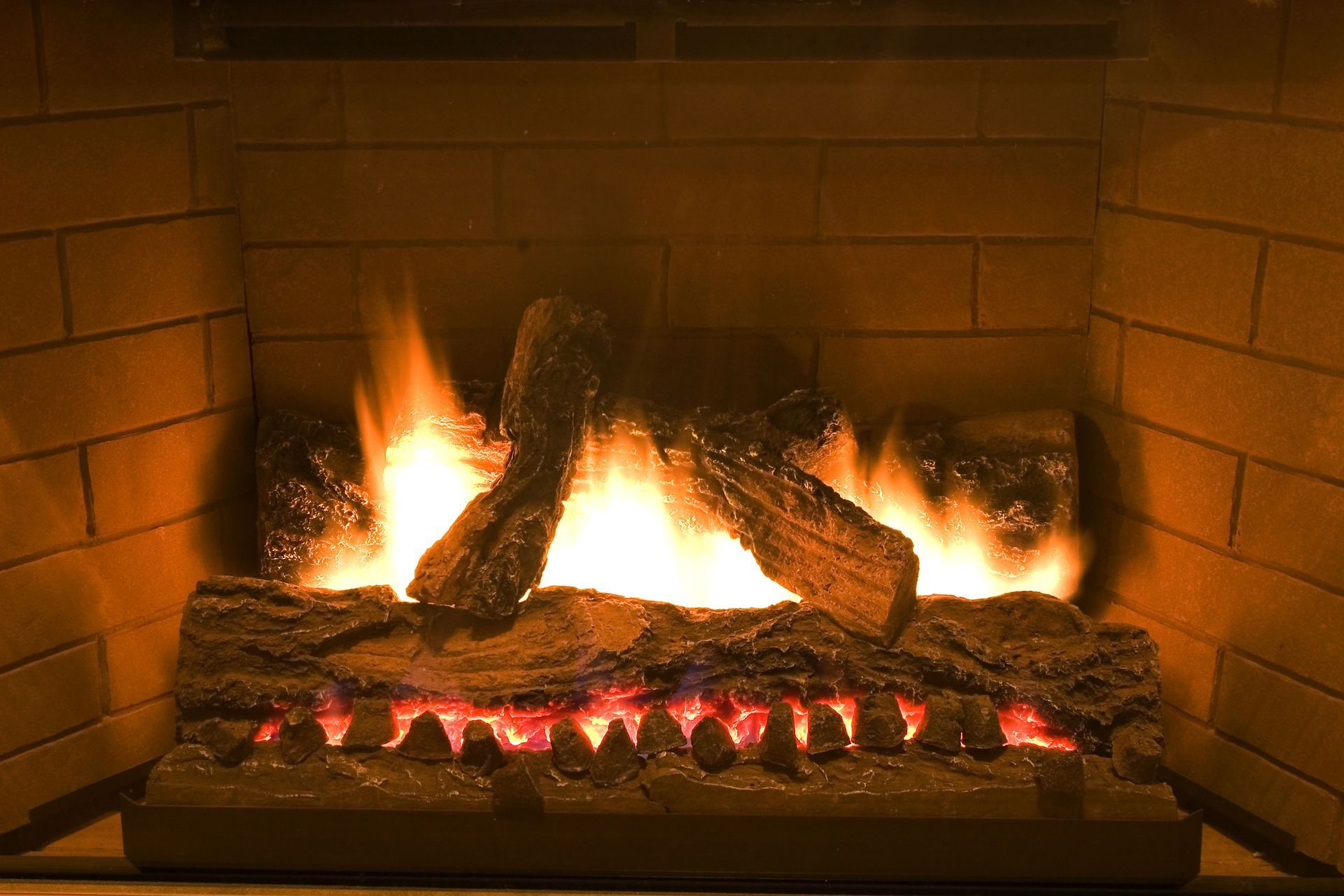
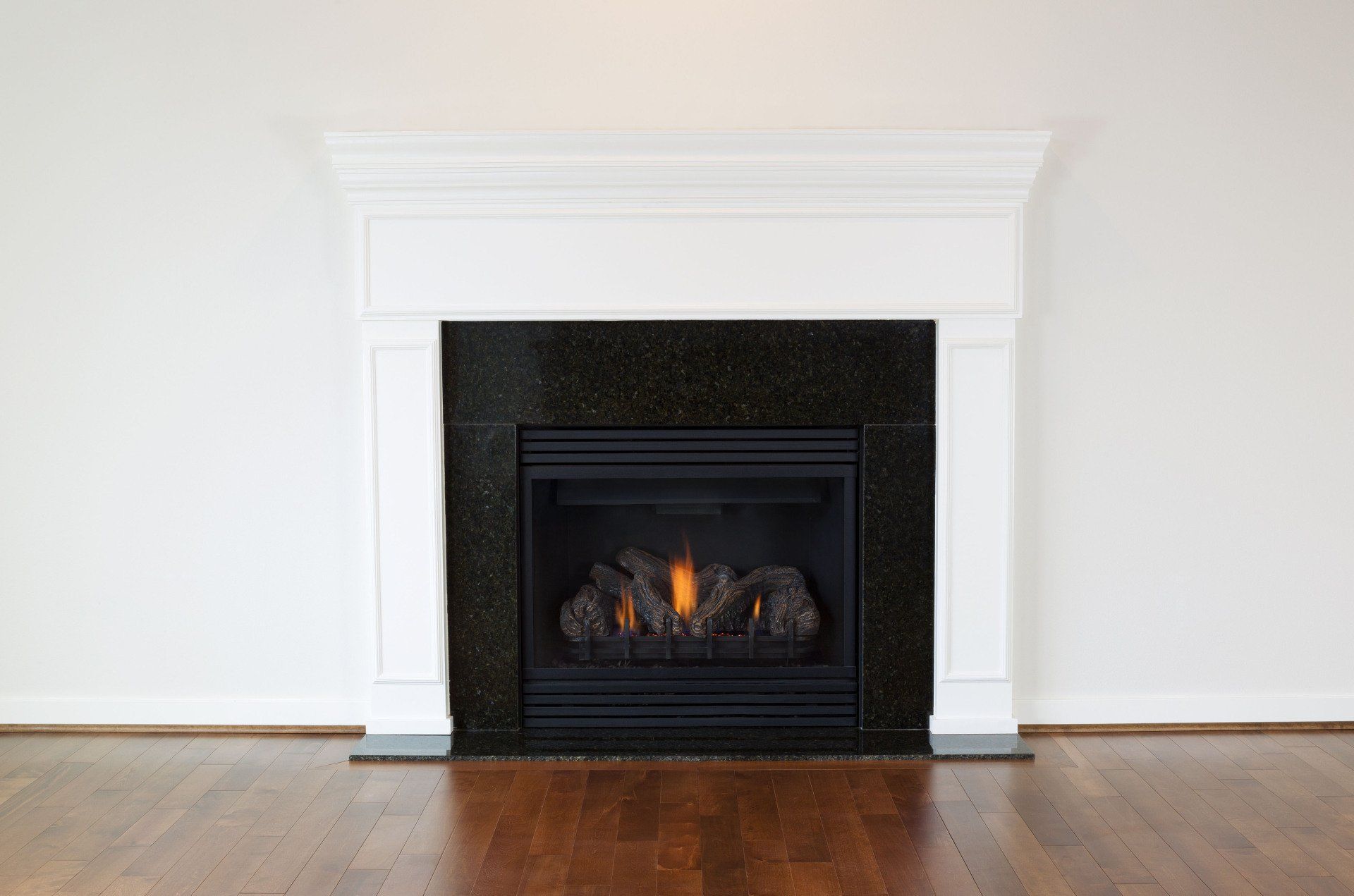
As the mid-twentieth century approached, the expansion of municipal natural gas pipelines revolutionized residential utility access, making it feasible to install dedicated gas fireplaces across diverse neighborhoods. This infrastructure boom allowed manufacturers to pivot from basic utilitarian iron boxes to highly decorative, integrated architectural features. Designers began experimenting with ceramic fiber log sets designed to mimic specific wood species, capturing the visual charm of glowing embers while eliminating the drafts and chimney maintenance associated with conventional brick fireplaces. This period marked a cultural shift where the domestic fire transitioned from a labor-intensive chore into an on-demand luxury, aligning perfectly with the mid-century modern emphasis on efficiency, clean lines, and minimized household labor.
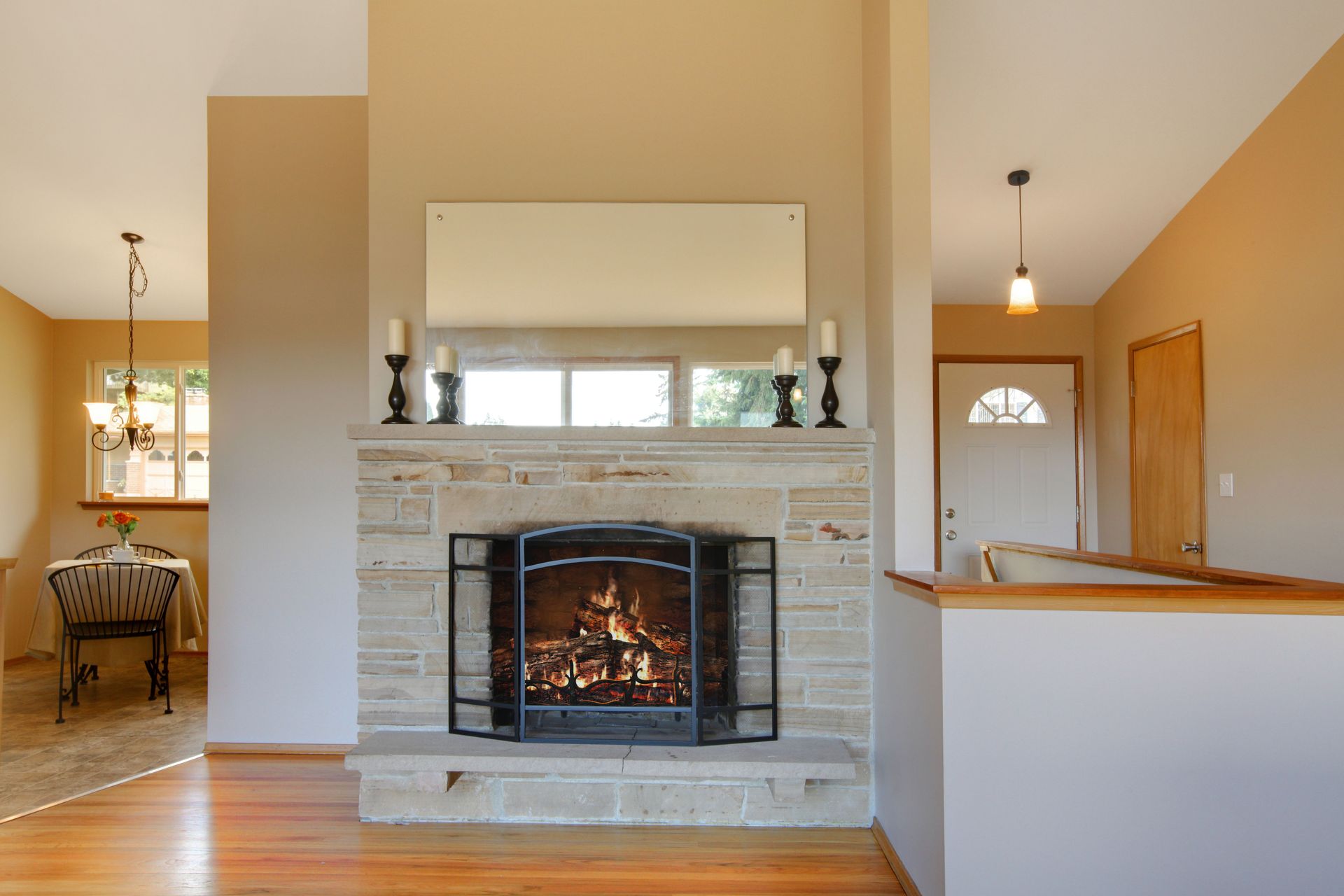
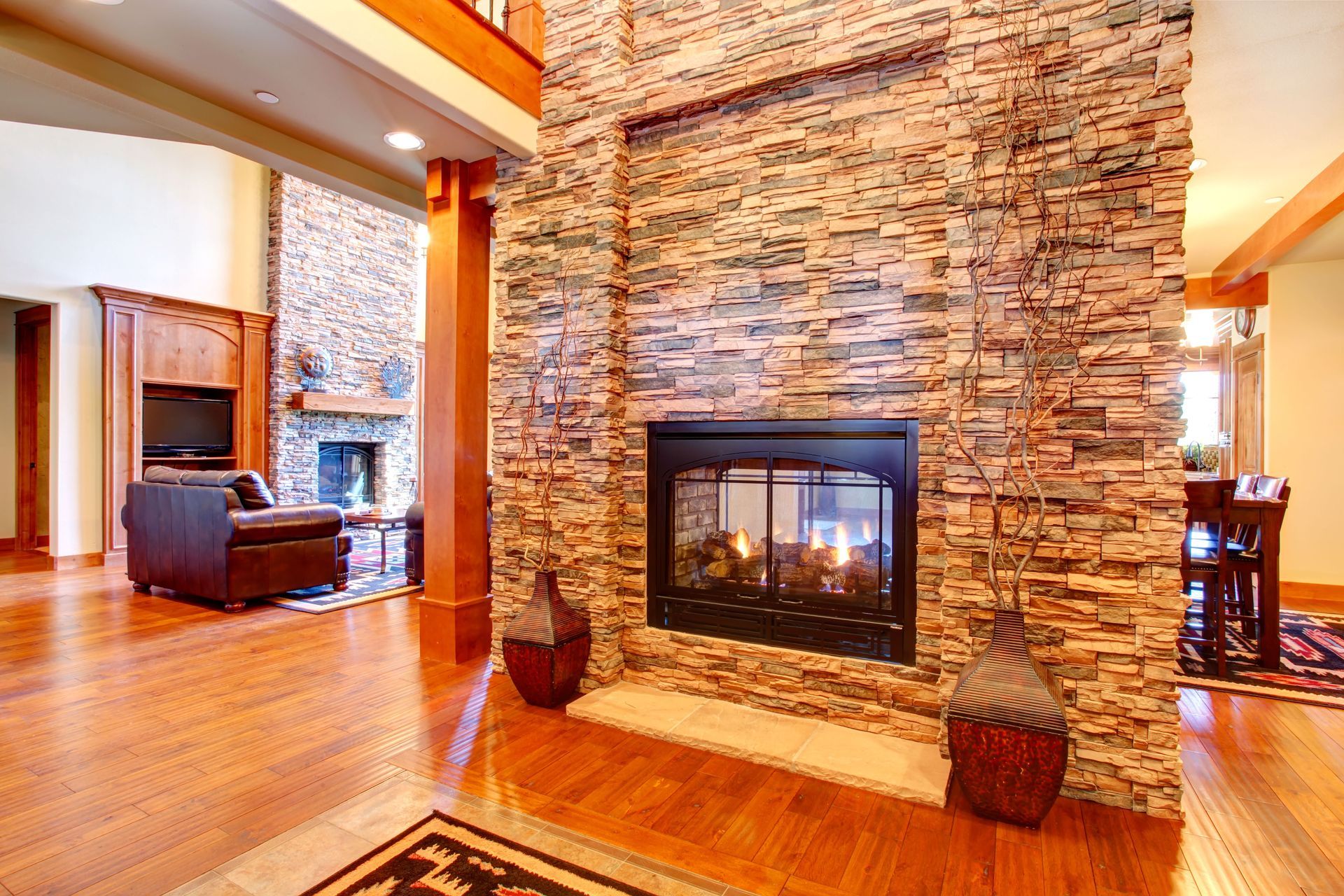
In recent decades, manufacturing priorities have shifted further toward customization and flexible architectural integration, adapting smoothly to open-concept floor plans and minimalist design aesthetics. Modern construction techniques often lack the traditional structural support required for heavy masonry chimneys, which has driven the popularity of lightweight, highly adaptable heating appliances. The contemporary marketplace showcases an incredible array of configurations, ranging from linear see-through models that act as elegant room dividers to traditional multi-sided units designed to blend seamlessly into historic restorations. This continuous innovation ensures that the age-old focal point of the home remains relevant, functional, and deeply embedded in modern residential design philosophy.
Understanding the Structural Mechanics and Operational Features
The internal architecture of modern heating appliances relies on a carefully balanced combination of fuel delivery, controlled combustion, and precise ventilation mechanisms. At the center of these systems is the burner assembly, engineered to mix natural gas or liquid propane with ambient oxygen in precise ratios to achieve a stable, visually realistic flame pattern. Unlike simple blue-flame utility burners, these specialized residential units are designed to produce yellow, rolling flames that closely resemble a natural wood fire, accomplished by controlling the introduction of secondary air. The combustion chamber is completely sealed away from the home's interior in direct-vent configurations, utilizing a dual-chamber flue system that simultaneously draws fresh outdoor air for combustion while exhausting all byproducts safely outside.
Ventilation methodology represents a major technological division in the design of these appliances, separating options into distinct categories based on structural requirements and efficiency goals. Vented units pull outside air and exhaust through a specialized pipe system, maintaining completely pristine indoor air quality while allowing for larger, more robust flame presentations. Conversely, vent-free configurations use advanced catalytic burner designs that achieve nearly complete fuel combustion, allowing them to operate safely without an external flue and directing all generated heat directly into the living space. According to This Old House, gas fireplaces generally have efficiency ratings up to 90%. This remarkable operational efficiency underscores the advanced engineering behind modern burner designs, which extract maximum thermal value from every unit of fuel consumed.
Analyzing Financial Advantages and Comprehensive Cost Savings
Implementing strategic localized zone heating through dedicated gas fireplaces offers significant financial advantages over relying solely on centralized residential HVAC equipment. Centralized furnaces distribute heat indiscriminately throughout a property, consuming massive amounts of energy to warm unoccupied guest rooms, hallways, and storage areas. By utilizing a high-efficiency gas appliance in the primary living space, homeowners can turn down their main household thermostat while keeping their immediate gathering areas perfectly comfortable. This deliberate approach to energy management reduces total monthly utility consumption, preventing unnecessary wear on large central units and allowing families to control their seasonal heating expenditures with remarkable precision.
The long-term economic benefits become even more apparent when evaluating the minimal structural maintenance expenses associated with modern clean-burning appliances over their operational lifespan. Traditional wood-burning hearths require annual professional chimney sweeping to clear dangerous creosote accumulations, alongside regular structural repairs to mortar joints, dampers, and firebricks. These recurring professional maintenance fees can accumulate rapidly, representing a significant financial burden that is absent with clean-burning gaseous fuel systems. Furthermore, because these modern units do not generate corrosive ash, flying sparks, or shifting logs, the internal components experience far less mechanical degradation, ensuring reliable performance for decades with only basic annual safety inspections.
Evaluating Environmental Sustainability and Emission Reduction
The ecological impact of residential heating options has become an increasingly critical factor for modern consumers seeking to reduce their total carbon footprint. Conventional wood-burning fires release substantial volumes of particulate matter, black carbon, and volatile organic compounds into the atmosphere, contributing noticeably to regional winter smog and localized air quality degradation. Many municipalities have implemented strict regulatory restrictions on wood burning during poor atmospheric conditions due to these direct health and environmental risks. Transitioning to clean-burning gaseous alternatives provides an immediate solution to these localized pollution challenges, as natural gas and propane emit virtually zero particulate matter and significantly lower greenhouse gases during active combustion.
Modern manufacturing techniques have further minimized environmental impacts through the development of highly advanced, automated combustion controls and thermodynamic designs. Electronic ignition systems eliminate the constant fuel waste of traditional standing pilot lights, ensuring that resources are only consumed when active heating is desired by the occupant. The integration of variable-output gas valves allows the appliance to modulate its fuel consumption based on real-time thermostat feedback, preventing the wasteful cycling of energy and maintaining steady, efficient thermal output. These subtle engineering enhancements ensure that modern hearth systems align perfectly with green building initiatives and rigorous national energy conservation standards, providing guilt-free comfort through optimized resource management.
Integrating Smart Controls and Contemporary Design Elements
The rapid expansion of home automation technology has completely transformed how homeowners interact with modern heating appliances, elevating simple convenience into a fully integrated smart home experience. Contemporary units are routinely equipped with sophisticated wireless communication modules that connect seamlessly with centralized home automation systems and mobile applications. Users can effortlessly adjust flame heights, modify thermostatic settings, and program custom heating schedules directly from their smartphones or via intuitive voice commands. This advanced connectivity allows for unprecedented control, enabling a homeowner to activate their primary heating zone remotely while commuting home, ensuring a perfectly warm living space upon arrival without wasting fuel throughout the day.
In addition to advanced digital functionality, the visual design language of modern hearth appliances has undergone a significant evolution to accommodate diverse interior design preferences. Linear format configurations featuring reflective glass media, minimalist texturized backdrops, and adjustable multi-colored LED accent lighting have become highly popular options for contemporary urban properties.
Throughout their history, these innovative heating appliances have consistently adapted to changing urban infrastructures and evolving consumer expectations, balancing aesthetic beauty with reliable mechanical performance. With remarkable thermal capabilities, clean-burning characteristics, and seamless compatibility with modern smart home ecosystems, these units deliver an unparalleled combination of functional comfort and financial value. Homeowners can confidently elevate their living spaces by embracing these advanced systems, securing long-term efficiency, environmental responsibility, and an inviting atmosphere that enriches daily life. For more information about the services that we offer, reach out to our incredible team at Taylor's Hearth & Leisure today!

Share On: